
Service Level Agreements in the Supply Chain – 7 Ways to Get More Value

A service level agreement (SLAs) is a contract which defines the level of service expected from a supplier or service provider.  SLAs are a popular supply chain tool.  They usually: Define a minimum level of service.Put in place measurement mechanisms.  These allow the customer to monitor the service provider’s performance against those targets. But, negotiating …

Continue reading Service Level Agreements in the Supply Chain – 7 Ways to Get More Value

Collaborating to address ESG issues in the supply chain: avoid the legal risks

Most businesses now recognise that there are benefits in addressing the Environmental, Social and Governance (ESG) issues that might arise in their supply chains. Media coverage, consumer awareness, legislation such as the Modern Slavery Act and pressure from investors have all focused corporate attention on the need for better environmental and human rights practices. One …

Continue reading Collaborating to address ESG issues in the supply chain: avoid the legal risks

Beginner’s guide to the AS 4910 standard contract for logistics systems

A supply chain logistics system is a significant investment for any business.  It forms an important part of a company's long-term supply-chain strategy.  To deliver on the business case, you need to know you're getting what you are expecting. Assume you've already carefully chosen the supplier and solution carefully.  Now it's time so start developing …

Continue reading Beginner’s guide to the AS 4910 standard contract for logistics systems

Robotics as a Service: what goes in the contract?

Robotics as a Service (or RaaS) is emerging as a top technology trend when it comes to warehouse and supply chain automation. In this article, I look at what is involved with Robotics as a Service – and what to watch out for when finalising the contract. So, what is Robotics as a Service? Just …

Continue reading Robotics as a Service: what goes in the contract?

Autonomous Mobile Robots in the warehouse: a guide to the legal issues

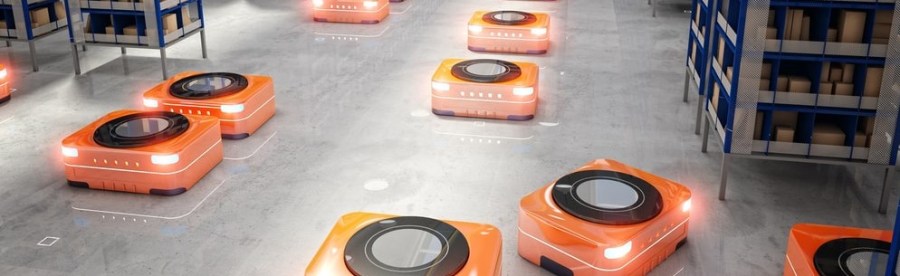
Autonomous mobile robots (AMRs) are robotic vehicles that can operate without needing human control or supervision. Using sensors, AMRs are sophisticated enough to identify obstacles and navigate around their environment - delivering inventory or tools to where they are needed. As they don't take up much space, they are often used in environments such as …

Continue reading Autonomous Mobile Robots in the warehouse: a guide to the legal issues